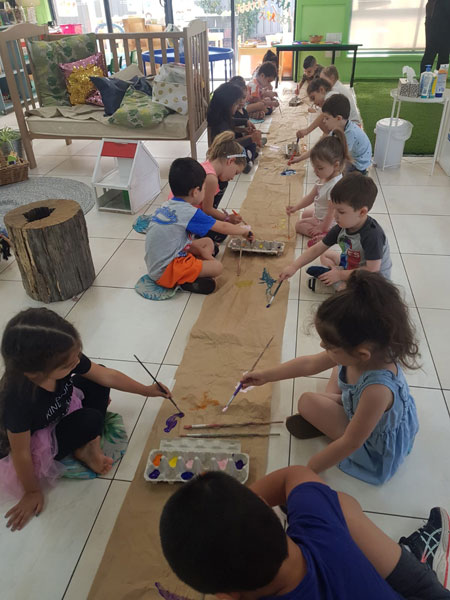
Programs & Curriculums
The Early Years Learning Framework
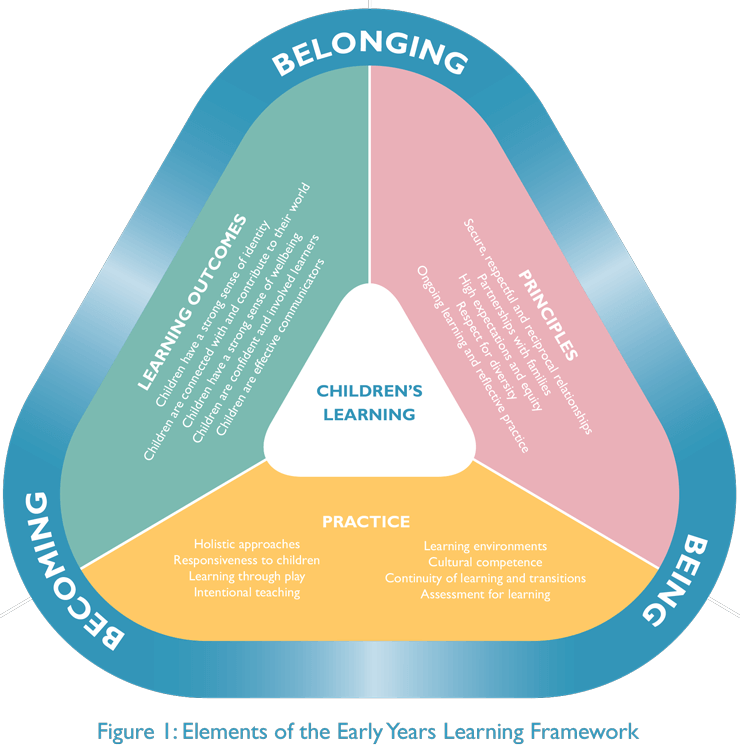
Our service is guided by the Early Years Learning Framework (EYLF), which supports high-quality, play-based learning for children from birth to five. We design our curriculum and daily experiences to be meaningful, engaging, and developmentally appropriate, ensuring children benefit from learning that aligns with national expectations.
Learning Environment
We create a learning environment where children feel safe, valued, and inspired. Learning happens naturally through play, and children’s interests guide our teaching. Our educators observe children’s choices, interests, and questions and then extend these moments to strengthen:
- communication
- well-being
- learning
- social-emotional development
Through this approach, children build confidence, develop independence, and form strong, positive relationships with both peers and educators.
Families as Partners
Families are essential partners in our curriculum. We actively invite input from parents and caregivers about what their child enjoys and which routines best support them at home. This collaboration promotes continuity between home and the service, helping children feel understood, supported, and settled.
Planning and Reflection
Our practice includes:
- respectful planning
- flexible routines
- ongoing reflection
This enables us to respond to changing needs, recognise progress, and continually improve the learning experiences we provide.
EYLF, NQS and Early Learning
By drawing on EYLF principles, practices, and learning outcomes, we strengthen children’s development and support consistent early learning across Australia. Our alignment with the National Quality Standard (NQS) and universal access to early childhood education helps families feel confident that their child receives nationally consistent, high-quality learning opportunities, where children’s voices, inclusion, and everyday partnerships are valued.
We create a learning environment where children feel safe, valued, and inspired. Learning happens naturally through play, and children’s interests guide our teaching. Our educators observe children’s choices, interests, and questions and then extend these moments to strengthen:
- communication
- well-being
- learning
- social-emotional development
Through this approach, children build confidence, develop independence, and form strong, positive relationships with both peers and educators.Families are essential partners in our curriculum. We actively invite input from parents and caregivers about what their child enjoys and which routines best support them at home. This collaboration promotes continuity between home and the service, helping children feel understood, supported, and settled.Our practice includes:
- respectful planning
- flexible routines
- ongoing reflection
This enables us to respond to changing needs, recognise progress, and continually improve the learning experiences we provide.By drawing on EYLF principles, practices, and learning outcomes, we strengthen children’s development and support consistent early learning across Australia. Our alignment with the National Quality Standard (NQS) and universal access to early childhood education helps families feel confident that their child receives nationally consistent, high-quality learning opportunities, where children’s voices, inclusion, and everyday partnerships are valued.
8 Aboriginal Ways of Learning Framework
At our service, we honour Aboriginal and Torres Strait Islander ways of learning through the 8 Aboriginal Ways of Learning Framework, an NSW Department of Education initiative:
1
Tell a story.
2
Make a plan.
3
Think and do.
4
Draw it.
5
Take it outside.
6
Try a new way.
7
Watch first, then do.
8
Share it with others.
These learning practices guide how we build understanding, participation, and confidence in children every day, while strengthening connection to Country, community, language, and culture.
Indigenous Perspectives in Everyday Learning
Our educators carefully plan and implement Indigenous perspectives across both indoor and outdoor environments. We weave daily Yarning cycles into everyday routines, creating warm, respectful conversations where children can listen, ask questions, and contribute their own ideas. We also begin the day with an Acknowledgement of Country, supporting children to recognise land as the foundation of identity, belonging, and learning.
Active and Engaging Learning
Learning is intentionally active and engaging. We incorporate Australian Indigenous games alongside Munch and Move Fundamental Movement Skills, giving children opportunities to build:
- balance
- coordination
- body awareness
through play.
Children learn through observation, and participation watch first, then do, and are encouraged to try a new way when they are ready. Many activities move beyond the learning environment because learning on Country strengthens curiosity and meaning.
Sharing and Celebrating Learning
Finally, we celebrate children’s achievements by inviting them to:
- draw them
- make a plan
- share them with others
This approach supports respectful, inclusive learning and fosters strong connections between children, families, and the local community.
Our educators carefully plan and implement Indigenous perspectives across both indoor and outdoor environments. We weave daily Yarning cycles into everyday routines, creating warm, respectful conversations where children can listen, ask questions, and contribute their own ideas. We also begin the day with an Acknowledgement of Country, supporting children to recognise land as the foundation of identity, belonging, and learning.Learning is intentionally active and engaging. We incorporate Australian Indigenous games alongside Munch and Move Fundamental Movement Skills, giving children opportunities to build:
- balance
- coordination
- body awareness
through play.
Children learn through observation, and participation watch first, then do, and are encouraged to try a new way when they are ready. Many activities move beyond the learning environment because learning on Country strengthens curiosity and meaning.Finally, we celebrate children’s achievements by inviting them to:
- draw them
- make a plan
- share them with others
This approach supports respectful, inclusive learning and fosters strong connections between children, families, and the local community.
Project-based Learning
Our educators use project-based learning to nurture children’s natural curiosity and guide them toward meaningful inquiry. With carefully chosen, real-world topics, children learn by:
- exploring
- asking questions
- making predictions
- observing outcomes
- sharing discoveries with their peers
This approach builds confidence as children become active learners, while also strengthening communication, problem-solving, teamwork, and early scientific thinking. As children investigate together, they learn that learning is something you can do hands-on, together, and with purpose.
Theme Weeks
Throughout the year, we extend this learning through engaging theme weeks that spark wonder and encourage thoughtful conversation.
Dental Week
Dental Week supports healthy habits and helps children understand how to care for their teeth.
Science Week
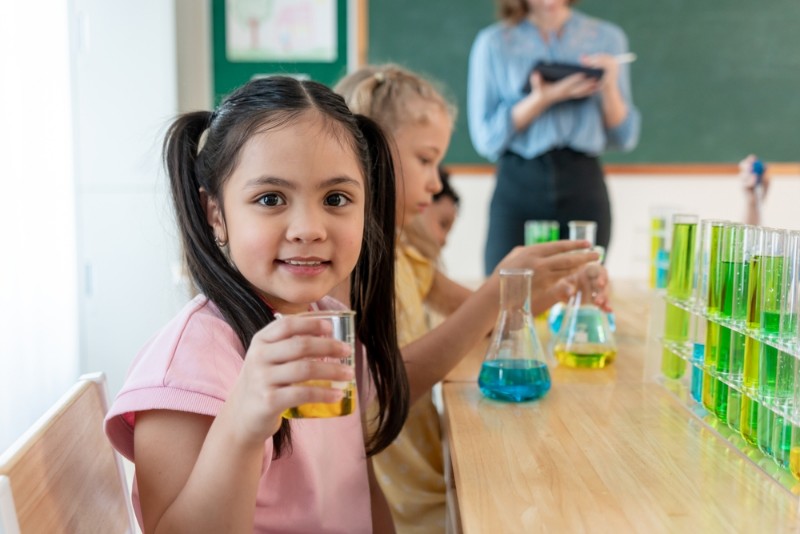
Science Week invites children to test ideas through simple experiments and sensory experiences.
Farm Safety Week
Farm Safety Week teaches age-appropriate safety routines around animals and outdoor environments through stories, role-play, and guided practice.
Recycling Week
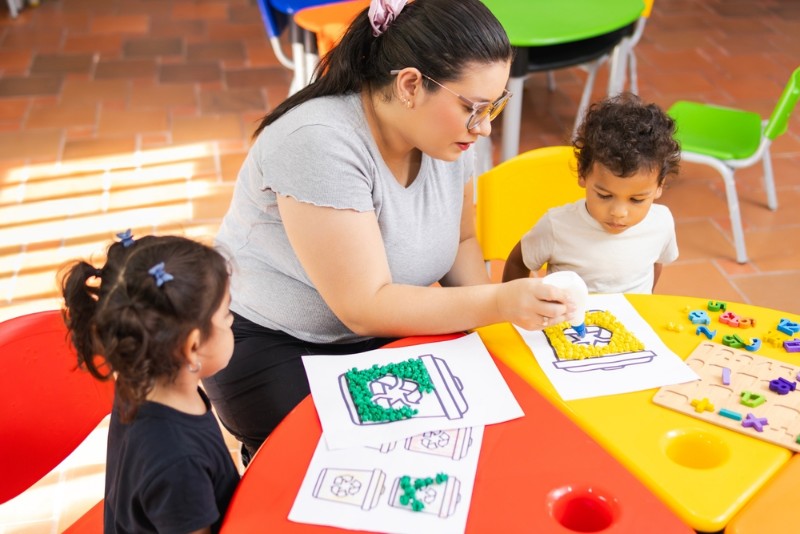
Recycling Week builds understanding of sustainability through sorting activities and creative reuse projects.
World Ocean Day
On World Ocean Day, children explore oceans and marine life, discuss ways to protect natural spaces, and talk about small actions families can take to support the planet.
Special Celebrations
March is the month of celebrating Australian women History, science week, etc.
Throughout the year, we extend this learning through engaging theme weeks that spark wonder and encourage thoughtful conversation.Dental Week supports healthy habits and helps children understand how to care for their teeth.Science Week invites children to test ideas through simple experiments and sensory experiences.Farm Safety Week teaches age-appropriate safety routines around animals and outdoor environments through stories, role-play, and guided practice.Recycling Week builds understanding of sustainability through sorting activities and creative reuse projects.On World Ocean Day, children explore oceans and marine life, discuss ways to protect natural spaces, and talk about small actions families can take to support the planet.March is the month of celebrating Australian women History, science week, etc.We believe these experiences spark curiosity, build confidence, and encourage lifelong learning. In our early childhood setting, children feel safe to explore new ideas and ask questions. Educators listen, guide, and celebrate each child’s curiosity, creating a joyful environment where learning is meaningful, active, and always valued.

Special Events and Dates
Our Service actively plans and celebrates meaningful special dates throughout the year. Educators carefully design age-appropriate, play-based experiences that support children’s understanding, respect, and learning about the diverse cultures that make up Australia. As a multicultural country, we value opportunities that help children build empathy, curiosity, and positive relationships with others.
Cultural Celebrations
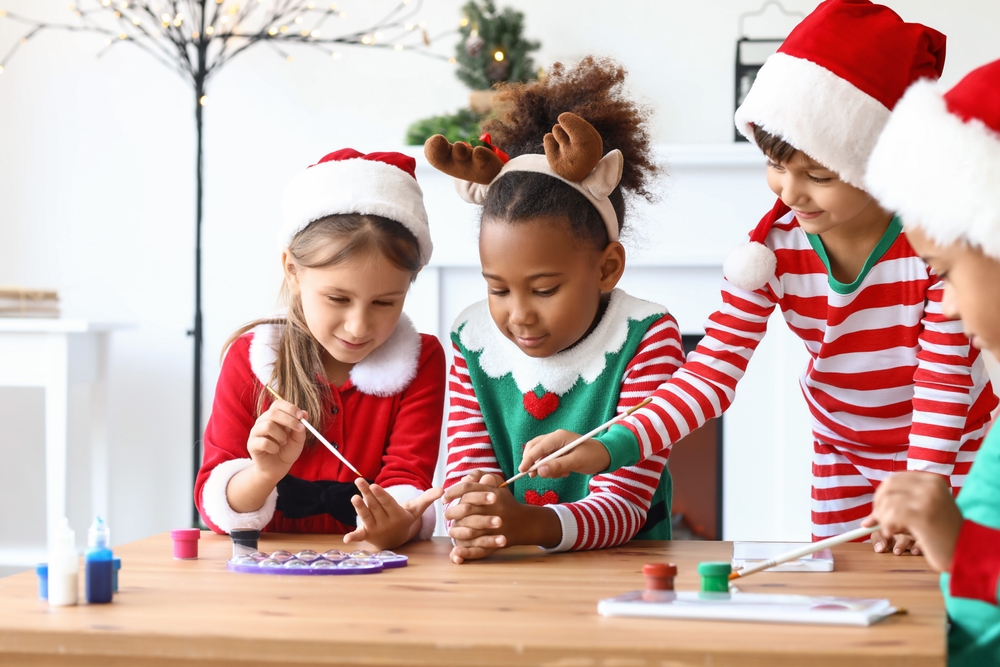
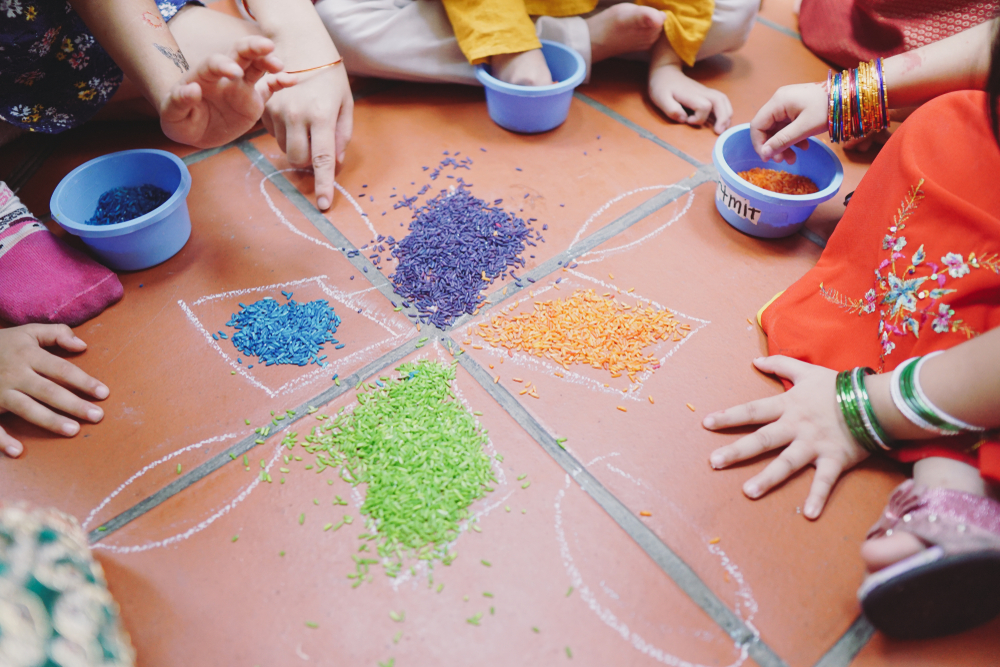
Celebrations such as Harmony Week, Reconciliation Week, NAIDOC Week, Diwali, Eid, Christmas, etc. are included to strengthen children’s awareness of community, belonging, and cultural identity. These events are supported through interactive activities, stories, music, art experiences, and respectful discussions tailored to each child’s developmental stage.
Community Events
We also observe other special cultural days and community events, selecting celebrations that reflect the interests of the children and the broader community. Each experience is delivered through inclusive practices, ensuring children can participate at their own level and feel safe, welcomed, and valued.
Equal Learning Opportunities
Equally important, our special event curriculum supports the belief that every child should have equal learning opportunities. Children are encouraged to:
- explore
- ask questions
- share ideas
building confidence and communication skills through group play and guided learning.
By celebrating diversity in a thoughtful and consistent way, we foster a learning environment where children develop respect for others and a growing sense of connection to the world around them.
Celebrations such as Harmony Week, Reconciliation Week, NAIDOC Week, Diwali, Eid, Christmas, etc. are included to strengthen children’s awareness of community, belonging, and cultural identity. These events are supported through interactive activities, stories, music, art experiences, and respectful discussions tailored to each child’s developmental stage.
We also observe other special cultural days and community events, selecting celebrations that reflect the interests of the children and the broader community. Each experience is delivered through inclusive practices, ensuring children can participate at their own level and feel safe, welcomed, and valued.Equally important, our special event curriculum supports the belief that every child should have equal learning opportunities. Children are encouraged to:
- explore
- ask questions
- share ideas
building confidence and communication skills through group play and guided learning.
By celebrating diversity in a thoughtful and consistent way, we foster a learning environment where children develop respect for others and a growing sense of connection to the world around them.
We believe in Eco-Action and Sustainability
We believe and actively work towards a cleaner, healthier environment for our community. Our approach is guided by “Reduce, Reuse and Recycle”, reflecting best practices in how we conduct our daily activities and operations. By making thoughtful choices, we aim to minimise waste, conserve valuable resources, and reduce our direct environmental impact.
Recycling & Community Participation
We are committed to creating practical, visible solutions for everyday action. Our Centre is equipped with convenient recycling centres designed to be accessible to the Pelican community, encouraging children, families, and educators to participate in responsible waste sorting and recycling routines.
Energy, Water and Waste
We also focus on measurable efficiencies. We are progressively reducing:
- energy consumption
- water consumption
and working to prevent unnecessary waste through careful monitoring, responsible habits, and improved practices where possible. We strive to reduce the amount of waste that cannot be recycled or reused, supporting a culture of reuse, repair, and mindful purchasing.
Sustainable Products
Where we can, we choose recycled, environmentally friendly, and recyclable products, including paper, stationery, and other supplies. This helps ensure that our procurement aligns with our sustainability values.
Sustainability in Learning
Sustainability is not only part of our operations, it is part of our learning. We incorporate recycling and environmental issues into the curriculum to build awareness, strengthen understanding of sustainability, and spark curiosity across the entire community.
We are committed to creating practical, visible solutions for everyday action. Our Centre is equipped with convenient recycling centres designed to be accessible to the Pelican community, encouraging children, families, and educators to participate in responsible waste sorting and recycling routines.We also focus on measurable efficiencies. We are progressively reducing:
- energy consumption
- water consumption
and working to prevent unnecessary waste through careful monitoring, responsible habits, and improved practices where possible. We strive to reduce the amount of waste that cannot be recycled or reused, supporting a culture of reuse, repair, and mindful purchasing.Where we can, we choose recycled, environmentally friendly, and recyclable products, including paper, stationery, and other supplies. This helps ensure that our procurement aligns with our sustainability values.
Sustainability is not only part of our operations, it is part of our learning. We incorporate recycling and environmental issues into the curriculum to build awareness, strengthen understanding of sustainability, and spark curiosity across the entire community.


The School Readiness Program
The School Readiness Program at our Service is designed to strengthen children’s developmental skills across key learning areas, including:
- literacy
- numeracy
- creative arts and music
- self-help and independence
We believe these foundational abilities are essential not only for learning success but also for building positive self-esteem and confidence, supporting a smooth and happy transition from childcare to school.
Learning Through Practice
Our program includes engaging, child-centered activities that build competence through repetition, participation, and encouragement. Children regularly practice:
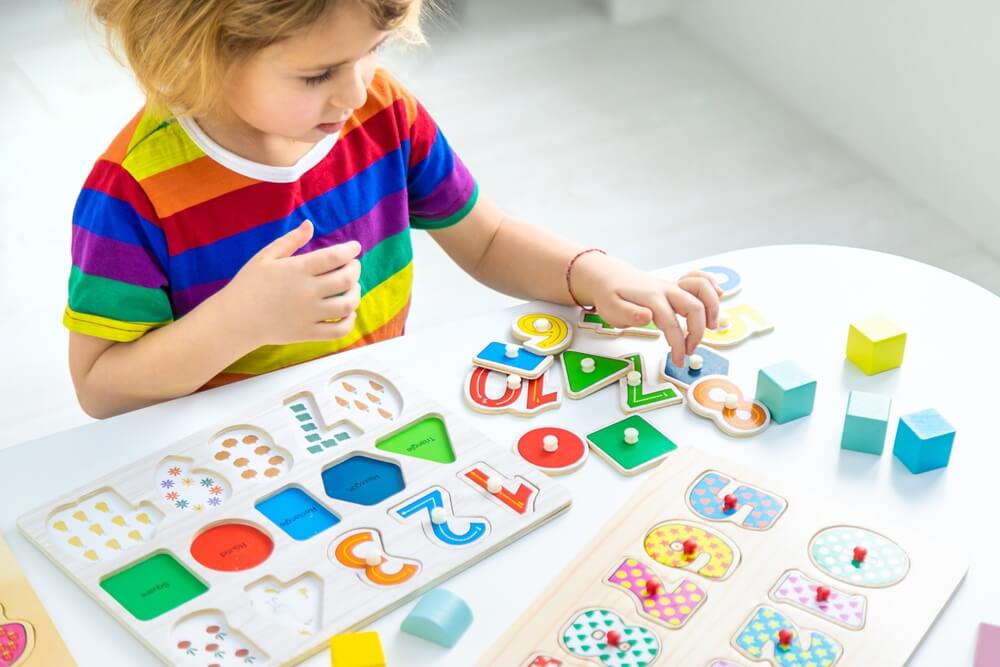
- name writing
- numeracy games
- reading and story-based activities
- story sequencing to support comprehension and early literacy
- fine-motor activities
- scissor skills
- other purposeful tasks
Social skills are built through:
- board games
- teamwork
- opportunities to practice respect for rules and routines
Preparing for “Big Schools”
To ensure children are ready for their “Big Schools,” the structure and intensity of the program typically increase from the second half of each year. During this time, learning becomes more focused and purposeful while still remaining warm, inclusive, and developmentally appropriate.
Our program includes engaging, child-centered activities that build competence through repetition, participation, and encouragement. Children regularly practice:
- name writing
- numeracy games
- reading and story-based activities
- story sequencing to support comprehension and early literacy
- fine-motor activities
- scissor skills
- other purposeful tasks
Social skills are built through:
- board games
- teamwork
- opportunities to practice respect for rules and routines
To ensure children are ready for their “Big Schools,” the structure and intensity of the program typically increase from the second half of each year. During this time, learning becomes more focused and purposeful while still remaining warm, inclusive, and developmentally appropriate.

Pelican Pre-school & Long Day Care @ Campbelltown has won the Munch & Move Excellence Award 2024
Pelican Pre-school & Long Day Care @ Campbelltown has been awarded the Munch & Move Excellence Award 2024. A huge thank you to all the team members for their active contribution in the implementation of the Munch and Move programme in the areas of:
- Healthy eating consistent with the Australian Dietary Guidelines
- Physical activity consistent with the Australian 24hr Movement Guidelines for the Early Years (birth to 5 years).
- Screen time practices.
- Educators’ training in the area of Munch and Move implementation.